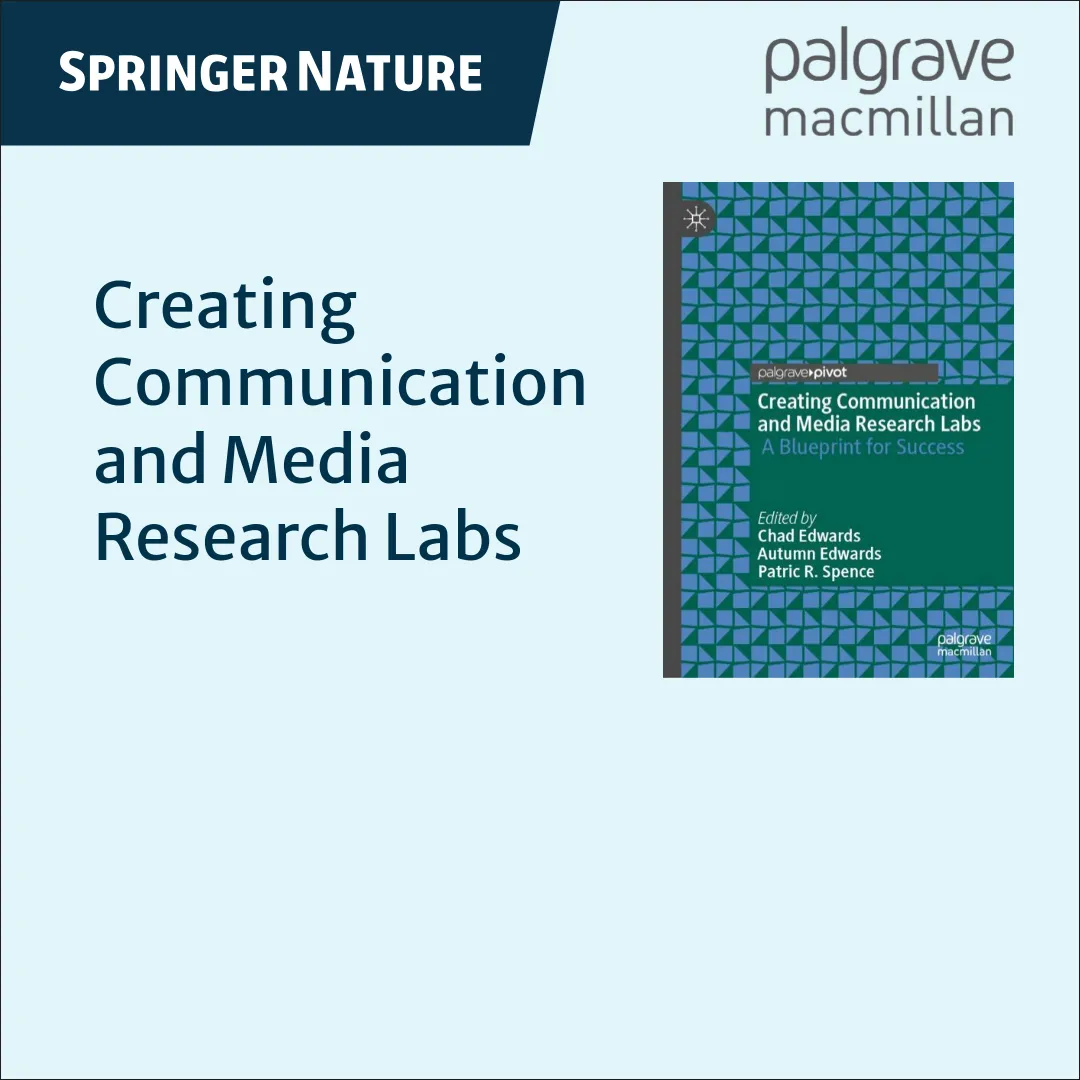
We are pleased to announce the publication of a book dedicated to the creation and operation of media research laboratories - Creating Communication and Media Research Labs: A Blueprint for Success. This is the first publication to focus not on research outcomes, but on the processes and practices behind establishing such labs.

The volume, published by Palgrave Macmillan, includes our chapter: “The Laboratory of Media Studies (LMS): The Lab of Social Narratives, Opinions, Behaviors, and Experiences”, authored by dr Karolina Brylska and prof. Tomasz Gackowski.
We are delighted to share that Marcin Łączyński has become a co-author of the book “Adaptation of Residential Estates to Climate Change”, published by SGGW. 

This is an important, innovative, and practical guide for everyone who wants to actively counteract the effects of climate change in their surroundings – from residents and young people to community leaders.

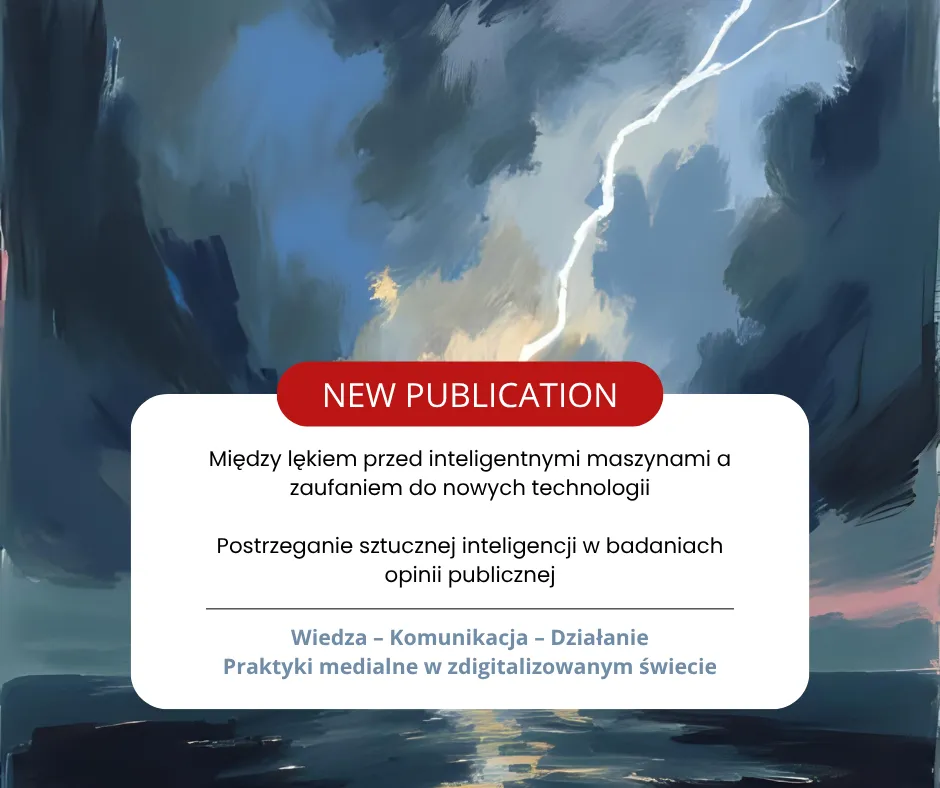
We’re excited to share some great news - a new book has just been published – “Knowledge – Communication – Action. Media Practices in a Digitalized World”, edited by prof. Agnieszka Hess, prof. Maria Nowina-Konopka and prof. Weronika Świerczyńska-Głownia.

The volume also features a chapter authored by members of our team - Tomasza Gackowskiego, Anny Mierzeckiej, Marleny Sztyber-Popko and Marcina Łączyńskiego: : “Between the Fear of Intelligent Machines and Trust in New Technologies: Perceptions of Artificial Intelligence in Public Opinion Research”.

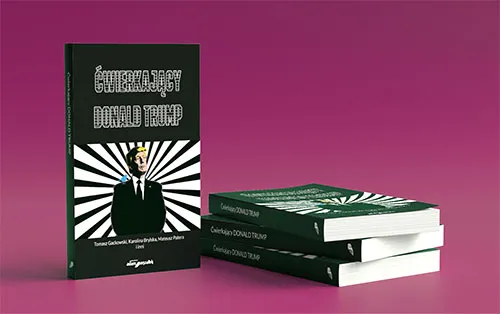
At the end of 2018, another publication by the team of Laboratory of Media Studies UW was released - a multi-author monograph entitled "Tweeting Donald Trump. What is Twitter for users, journalists and the US President? From discourse analysis to eye-tracking research "(T. Gackowski, K. Brylska, M. Patera and others; reviewed by Agnieszka Hess (PhD) from the Jagiellonian University and professor Radosław Pawelec from the University of Warsaw). The authors present a multifaceted review of an interesting media and political phenomenon, which is the use of social media (on the example of Twitter) as a tool for shaping modern "soft power". This concept is based on the ability to shape other people's preferences without the use of pressure or violence, but rather with the help of a country's cultural resources. In this process, various diplomatic practices and communication tools useful at the international level are used, including Twitter, whose growing importance in conducting public diplomacy is reflected in the increasingly popular term "Twiplomacy".